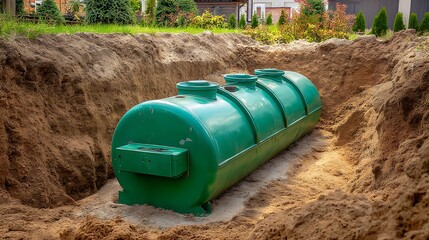
Septic Tank Installation Brighton is a critical step for homes that are not connected to a municipal sewer system. A properly installed septic system allows wastewater to be safely treated and dispersed underground, protecting your home, health, and the surrounding environment. When done correctly, a septic system can last for decades. When done poorly, it can lead to costly repairs, system failure, and environmental contamination.
In this guide, we’ll walk through everything homeowners need to know about septic tank installation, from understanding how septic systems work to planning, costs, installation steps, and long-term considerations. Whether you’re building a new home or replacing an old system, this article will help you make informed decisions.
What Is a Septic Tank and How Does It Work?
A septic tank is a large, watertight container buried underground that treats wastewater from your home. All water from toilets, sinks, showers, washing machines, and dishwashers flows into the tank.
Inside the tank:
- Solids settle at the bottom, forming sludge
- Oils and grease float to the top, forming scum
- Liquid wastewater remains in the middle and flows out to the drain field
The drain field (also called a leach field) allows wastewater to slowly filter through soil, where natural bacteria remove harmful contaminants before the water reaches groundwater.
Septic tank installation is not just about placing a tank in the ground — it’s about designing a complete system that matches your property, soil conditions, and household needs.
When Is Septic Tank Installation Required?
Septic tank installation is typically required in the following situations:
- Building a new home in a rural or suburban area without sewer access
- Replacing a failing or outdated septic system
- Upgrading an undersized or non-compliant system
- Converting a property’s use (such as adding bedrooms or rental units)
Local health departments usually require permits and inspections to ensure the system meets environmental and safety regulations.
Planning for Septic Tank Installation
Proper planning is the most important phase of septic tank installation. Rushing this step can result in long-term problems that are expensive to fix.
Site Evaluation and Soil Testing
Before installation begins, a site evaluation is performed to determine whether the property is suitable for a septic system. This often includes a percolation test (perc test), which measures how quickly water drains through the soil.
Soil type affects:
- Drain field design
- System size
- Placement and depth
Poor drainage or high groundwater levels may require alternative septic system designs.
System Design and Tank Size
Septic systems are designed based on:
- Number of bedrooms
- Expected water usage
- Local regulations
- Soil conditions
Most residential septic tanks range from 1,000 to 1,500 gallons, but larger homes may require bigger tanks. Oversizing or undersizing a tank can both cause performance issues, so proper sizing is essential.
Types of Septic Systems
Not all septic systems are the same. The type installed depends on site conditions, regulations, and budget.
Conventional Septic System
The most common type, consisting of a septic tank and drain field. Suitable for properties with good soil drainage and sufficient space.
Chamber System
Uses plastic chambers instead of gravel in the drain field. Requires less excavation and is often easier to install.
Aerobic Treatment System
Uses oxygen to break down waste more efficiently. Ideal for smaller lots or areas with poor soil but requires electricity and regular maintenance.
Mound System
Installed above ground level when soil depth is limited. More expensive but effective in challenging conditions.
Your septic professional will recommend the best system for your property.
The Septic Tank Installation Process
While every installation is unique, most septic tank installations follow a similar sequence of steps.
Step 1: Permits and Approvals
Before any work begins, permits must be obtained from the local health department or regulatory authority. This ensures the system meets local codes and environmental requirements.
Step 2: Excavation
Heavy equipment is used to excavate the area where the septic tank and drain field will be installed. Precise measurements are critical to ensure proper depth and slope.
Step 3: Septic Tank Placement
The septic tank is carefully lowered into place and leveled. Proper leveling ensures wastewater flows correctly and prevents future structural issues.
Step 4: Plumbing Connections
The home’s main sewer line is connected to the septic tank inlet. The tank outlet is connected to the drain field system.
Step 5: Drain Field Installation
Trenches or chambers are installed according to the approved design. This area is critical for wastewater treatment and must be protected from compaction.
Step 6: Inspection and Backfilling
Local inspectors review the installation before it is covered. Once approved, the system is backfilled and the site is restored.
How Long Does Septic Tank Installation Take?
Most residential septic tank installations take 2 to 5 days, depending on:
- Weather conditions
- Soil type
- System complexity
- Permit approvals
Delays may occur if inspections are postponed or unexpected site issues arise.
Septic Tank Installation Costs
The cost of septic tank installation varies widely based on location and system type. On average, homeowners can expect to pay between $5,000 and $15,000.
Cost factors include:
- Type of septic system
- Tank size and material
- Soil conditions
- Excavation difficulty
- Permit and inspection fees
Alternative systems and challenging soil conditions can increase costs significantly, but they are often necessary to ensure long-term performance.
Choosing the Right Septic Tank Material
Septic tanks are commonly made from:
Concrete
- Durable and long-lasting
- Resistant to shifting soil
- Heavier and more expensive to install
Plastic (Polyethylene)
- Lightweight and corrosion-resistant
- Easier to install
- May require additional anchoring
Fiberglass
- Strong and lightweight
- Resistant to cracking
- Higher upfront cost
Each material has advantages, and your installer can recommend the best option for your site.
Common Mistakes to Avoid During Installation
Improper septic tank installation can lead to early system failure. Common mistakes include:
- Installing an undersized tank
- Poor soil evaluation
- Incorrect drain field placement
- Inadequate slope in plumbing lines
- Skipping required inspections
Hiring an experienced, licensed professional is the best way to avoid these issues.
Maintenance After Septic Tank Installation
Once installed, your septic system requires ongoing care to function properly.
Best practices include:
- Pumping the septic tank every 3–5 years
- Conserving water
- Avoiding flushing non-biodegradable items
- Keeping vehicles off the drain field
- Scheduling regular inspections
Good maintenance habits protect your investment and extend system lifespan.
Environmental and Health Considerations
A properly installed septic system protects groundwater and nearby ecosystems. A failing or poorly designed system can contaminate drinking water sources and pose serious health risks.
Following regulations and maintaining your system helps ensure wastewater is treated safely and responsibly.
Why Professional Installation Matters
Septic tank installation is not a DIY project. It requires technical knowledge, heavy equipment, regulatory compliance, and experience. Professional installers understand soil science, system design, and local codes, ensuring your system functions reliably for decades.
Cutting corners during installation often leads to higher costs later.
Final Thoughts: Investing in a Proper Septic Tank Installation
Septic tank installation is a major investment, but it’s one that directly affects your home’s value, safety, and livability. With careful planning, professional installation, and proper maintenance, a septic system can provide reliable service for generations.
If you’re planning a new build or replacing an existing system, take the time to work with qualified professionals and understand your options. A well-installed septic system isn’t just infrastructure — it’s peace of mind.
